Living in the Sierra Nevada Foothills
Welcome to Elderberry Hollow on Ben Hur Road
We are focusing on building practices that will help heal our relationship to the world. We realize this relationship has been badly broken for a long time. For us, these practices are listening to stories, learning from others and trying to walk more gently along our path. We still have a great deal to learn! We welcome you to join us on our journey to build a hopeful and whole future for all of our children, and theirs …
When we heal our relationship to the Earth, we heal ourselves.
Little things matter.
Butterflies, bees and other beneficials
Pollinators are a vital part of our ecosystems and they have steeply declined in number. At Elderberry Hollow focus on practices that encourage the health of a diversity of pollinators and other beneficials. We know that if the insects are healthy most other living things will also be thriving. We also love the beauty that insects, birds, and our native animal and plant populations add to our foothill landscapes.
We are learning …
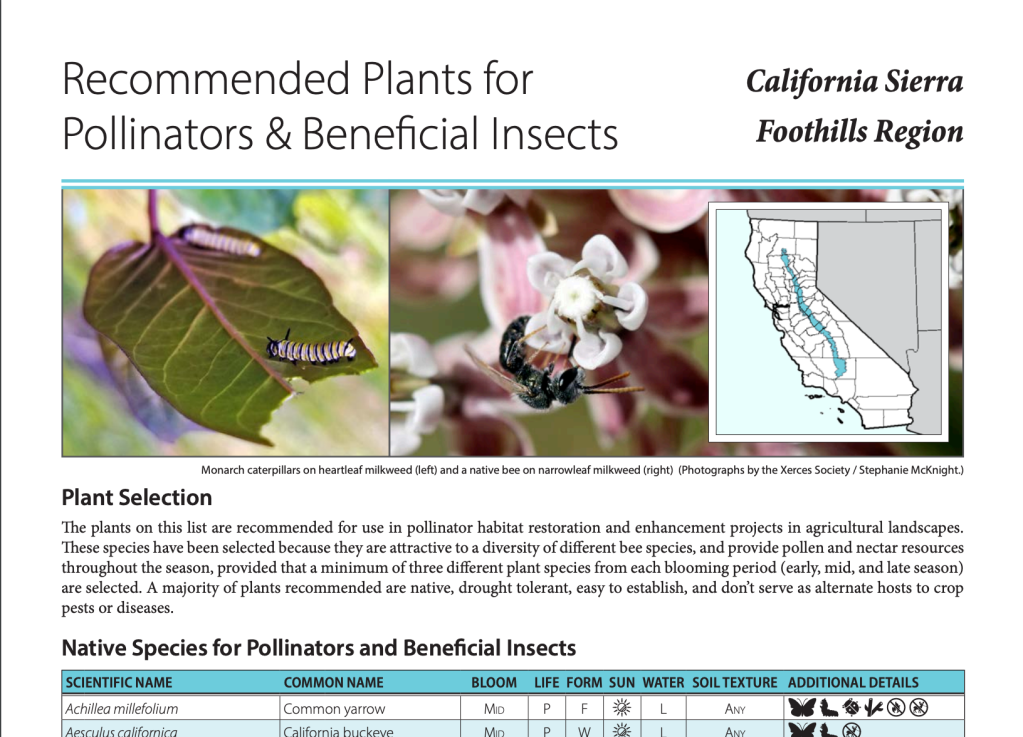
Monarchs Need Milkweed to Breed and Grow

Milkweed (Asclepias spp.) is the required host plant for caterpillars of the monarch butterfly and thus play a critical role in the monarch’s life cycle. It is important to plant the right kind of milkweed. Planting the wrong kind is destructive to Monarchs.
[NOTE: Common Milkweed will NOT attract Monarchs – it is only good in the Eastern U.S. – but, sadly, Common Milkweed is sold in many nurseries in the Western U.S.]
***It is Critical to Plant the
Right Milkweed***
Plant the right kind of milkweed. Planting the wrong kind is destructive to Monarchs. These varieties are correct for the Sierra Foothills:
California Milkweed/Asclepias californica;
Heartleaf Milkweed/Asclepias cordifolia;
Indian Milkweed/Asclepias eriocarpa;
Narrow Leaf Milkweed/Asclepias fascicularis; and,
Showy Milkweed /Asclepias speciosa.
How to Identify Similar Butterflies
Each butterfly requires different host and feeding plants. Creating a butterfly ecosystem within your garden helps combat this loss of natural habitats.
Male Monarch
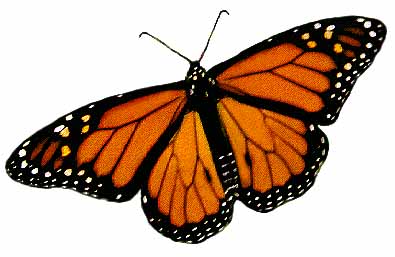
The male Monarch has small black gonad dots on the lower wings and smaller black veins.
Female Monarch
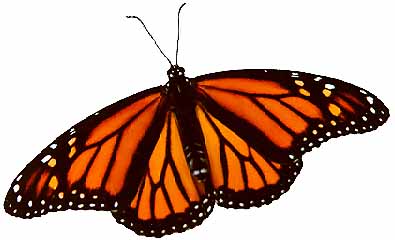
The female Monarch has larger black veins in the wings and no black gonad dots.
Monarch & Viceroy
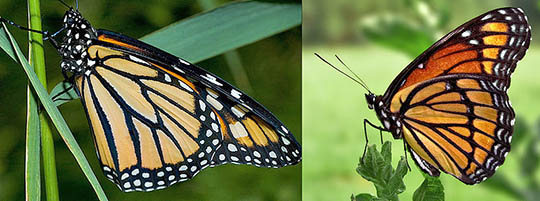
Monarch, left and Viceroy, right.
In this comparison, above, notice the monarch on the left does not have stripes on the lower wing and has many more white dots along the edges of the wings.
Viceroy
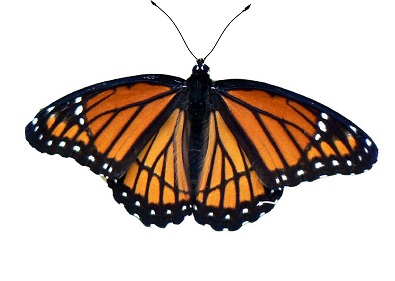
The Viceroy is very similar to Monarch, but has stripes across lower wings and single white dots.
Fritillary
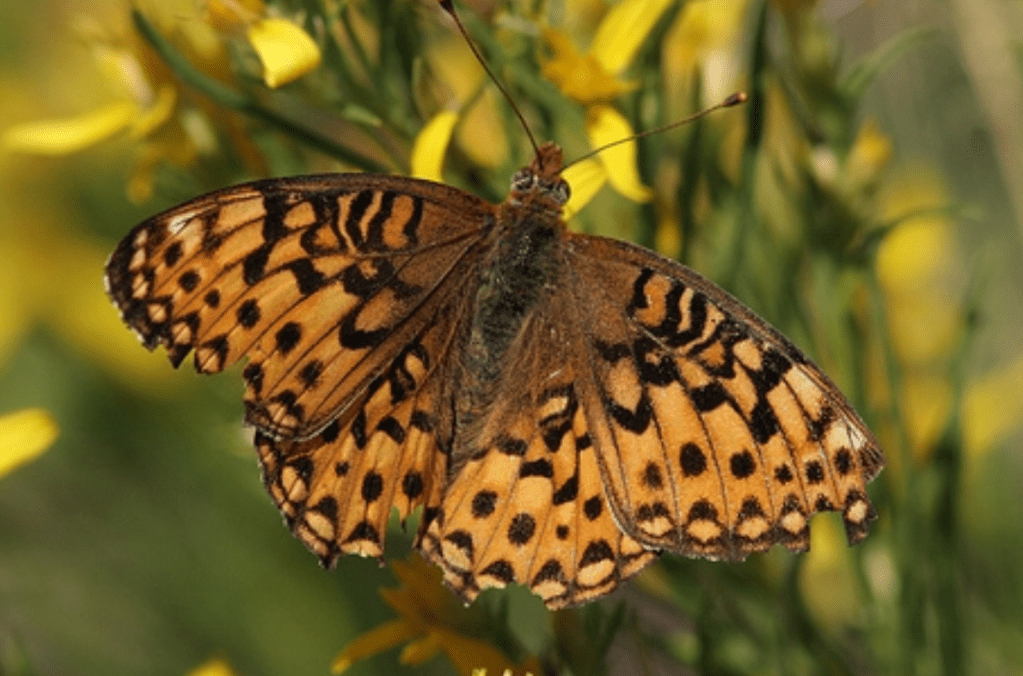
Foothill violets are the host plant for Fritillary.
Checkerspots
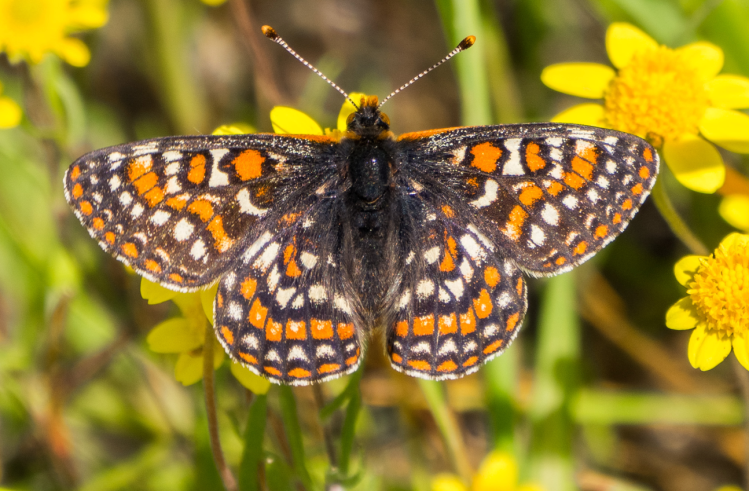
There are several varieties of Checkerspots in Mariposa. It recently experienced a massive population collapse in the Bay Area due to chemical climate change but seems to be holding here.
Painted Lady
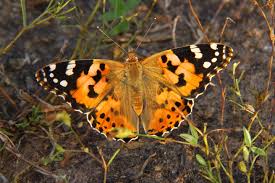
The Painted Lady is similar in color to the Monarch, but the wing design is very mottled.
California Sister
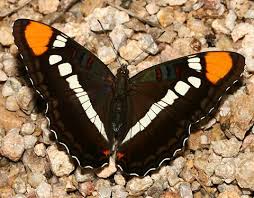
California Sister is very black with orange tips on wings. California Sister butterflies are abundant in our oak woodlands and lay their green eggs on oak tree leaves.
Tortoiseshell

Ceanothus chaparral – Deer Brush, Buckbrush, Whitethorn, Little Leaf and Wooly Leaf – host our Tortoiseshell butterfly population.
We do a great deal of reading!
I’m an academic librarian and value the importance of scientific research and reading for learning. Our family has always learned about the world through reading and as much travel as we can work into our busy lives. More to come here …
Testing this feature – ignore!
Visitors will want to know who is on the other side of the page. Use this space to write about your business.
Open Hours
Mon: closed
Tue – Sun: 11:30 am – 10:00 pm
Location
1 Example Street,
Anytown, NY 10100
Reservation
(555) 555 1234
mail@example.com
 @ELDERBERRY-HOLLOW